Leave a Message

Choosing the right dinnerware material is one of the most important decisions for restaurant groups, hotel buyers, wedding suppliers and tableware brands.
When sourcing ceramic tableware internationally, buyers often compare three major materials: bone china, porcelain and stoneware.
This guide explains the differences between these materials and helps importers choose the right option based on positioning, budget and application.
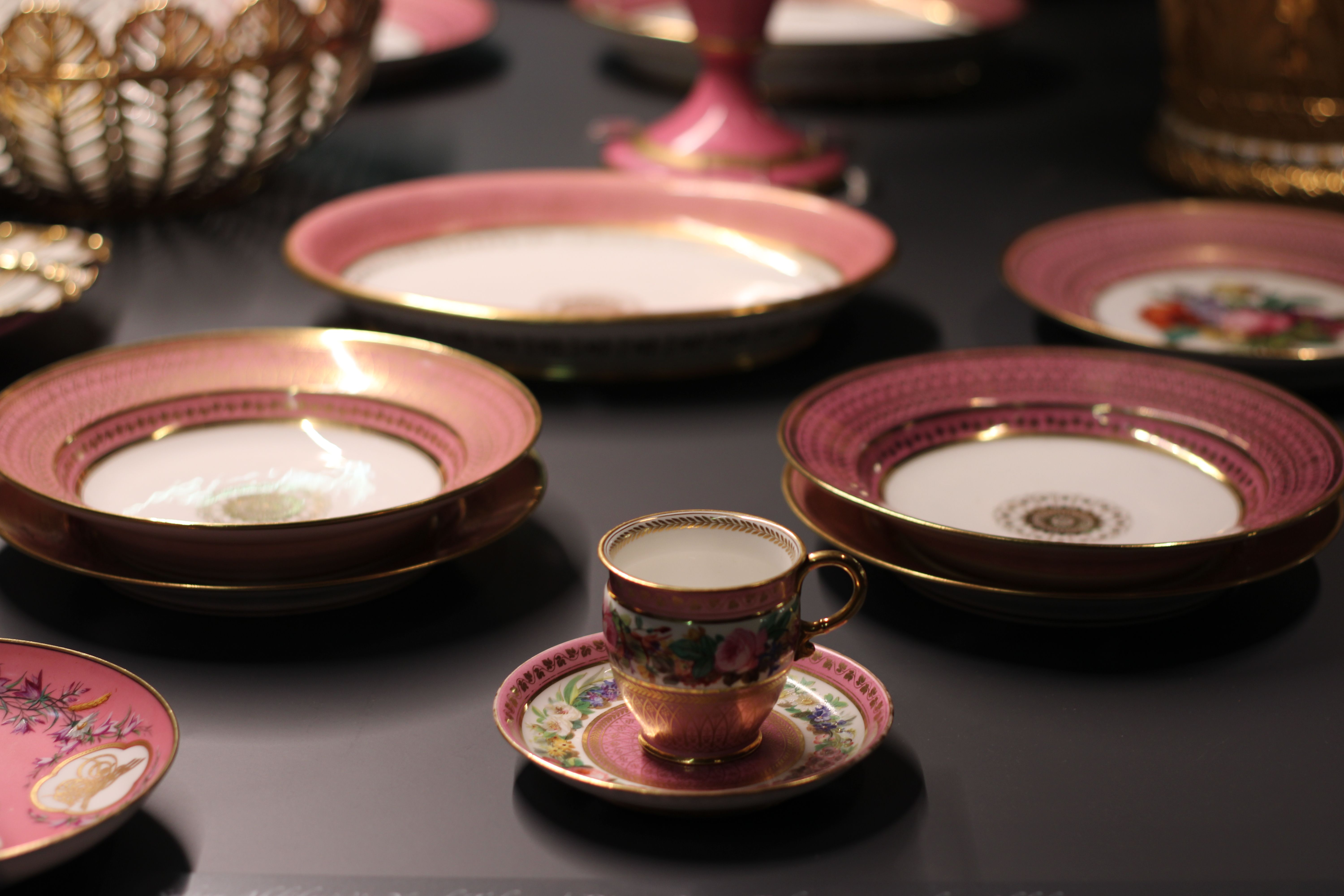
Although bone china, porcelain and stoneware all belong to ceramic dinnerware categories, their composition and firing processes create very different characteristics.
Bone china is known as one of the most premium ceramic materials. It traditionally contains bone ash mixed with kaolin clay and feldspar.
The special composition creates excellent whiteness, lightweight feeling and a unique translucent appearance.
Porcelain is produced mainly from kaolin clay and fired at high temperatures.
It offers a balance between elegance, durability and commercial practicality, making it widely used in hotels and restaurants.
Stoneware is a thicker ceramic material fired at lower temperatures compared with porcelain.
It provides strong durability and a casual style suitable for daily dining and lifestyle brands.
| Material | Main Components | Firing Temperature | Positioning |
|---|---|---|---|
| Bone China | Bone ash + kaolin clay + feldspar | High temperature firing | Luxury / Premium |
| Porcelain | Kaolin clay + feldspar + quartz | High temperature firing | Professional hospitality |
| Stoneware | Natural clay materials | Medium temperature firing | Casual / Everyday |
For commercial buyers, appearance is important, but long-term performance is equally critical.
Bone china and porcelain are commonly selected because they provide elegant presentation and professional dining experiences.
Porcelain is often preferred because it combines durability, appearance and replacement availability.
Stoneware offers unique shapes and textures for lifestyle collections.
Beyond technical performance, dinnerware material directly influences how customers perceive a brand. The visual appearance, weight and touch experience can determine whether a table setting feels luxury, modern or casual.
Bone china has exceptional whiteness and a soft translucent effect when held against light. Its lightweight feeling creates a premium dining experience.
It is commonly selected by luxury hotels, fine dining restaurants and premium retail brands.
Porcelain offers a clean, elegant surface with excellent brightness and smooth texture.
It provides a professional look while maintaining practical durability for commercial use.
Stoneware usually has a thicker body and more natural texture.
It is popular among lifestyle brands looking for handmade, rustic or contemporary designs.
If your brand focuses on luxury positioning, bone china creates stronger premium perception. If your business requires a balance between cost and performance, porcelain is usually the most practical choice.
For importers, material selection directly affects product cost, minimum order quantity and inventory strategy.
| Material | Average Cost Level | MOQ Consideration | Recommended Buyers |
|---|---|---|---|
| Bone China | High | Usually higher due to premium production process | Luxury hotels, premium brands |
| Porcelain | Medium | Flexible for commercial bulk orders | Hotels, restaurants, distributors |
| Stoneware | Low-Medium | Suitable for wider product collections | Retail brands, lifestyle companies |
Choose bone china dinnerware wholesale when your customers value luxury appearance and exclusive dining experiences.
Porcelain provides an excellent balance between elegance, durability and replacement efficiency.
Stoneware can help brands create affordable collections with unique designs.
For international buyers, ceramic dinnerware must meet food-contact safety requirements in different markets.
Before placing bulk orders, buyers should confirm supplier testing capabilities and documentation.
Important for products entering the United States food-contact market.
Common requirement for ceramic tableware sold in European markets.
Shows the supplier has structured quality management processes.
Professional suppliers should inspect appearance, dimensions and packaging before shipment.
The best material depends on your business model, customer expectations and target market.
Recommended: Porcelain and Bone China
Hotels usually require elegant appearance, durability and stable replacement supply.
Recommended: Bone China and Premium Porcelain
Luxury events focus heavily on visual presentation and customer experience.
Recommended: Stoneware and Porcelain
Retail buyers often need flexible designs and competitive price positioning.
Professional buyers often require more than standard products. Customization helps brands create unique collections and improve market competitiveness.
Add brand identity through printing, decals or customized marks.
Develop unique plate shapes, bowls and complete dinnerware sets.
Customize patterns, colors, textures and premium finishes.
Create retail-ready packaging solutions for global markets.
Star-Luck provides customized ceramic tableware solutions for international buyers. Explore: Ceramic Tableware Collection
Learn about our OEM capability: Custom Tableware Solutions
Bone china delivers luxury. Porcelain provides the best balance between performance and cost. Stoneware offers flexibility and creative design opportunities.
The right choice depends on your market positioning, customers and long-term sourcing strategy.
Discuss Your Tableware ProjectBone china contains bone ash, creating higher whiteness and translucency. Porcelain uses kaolin-based ceramic materials and provides excellent durability for commercial applications.
Yes. Bone china dinnerware wholesale is popular among premium hotels, restaurants and luxury tableware brands.
Porcelain is usually preferred for professional restaurants because it provides a balance between appearance, durability and replacement efficiency.

